
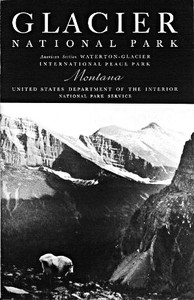
Glacier National Park [Montana] by United States. Department of the Interior
Let's be clear from the start: this isn't a traditional book. Glacier National Park by the U.S. Department of the Interior is the official government handbook for the park, the kind you'd get from a ranger station. There's no plot in the usual sense. Instead, it lays out the park's story in clean, straightforward sections.
The Story
The book walks you through Glacier's world. It starts with the land itself—how ancient forces carved those impossible peaks and valleys. It introduces you to the glaciers (giving them names and stats), the forests, and the animals that call it home. Then, it shifts to human history, from the first Native tribes to the explorers and the eventual decision to protect it as a national park. Finally, it acts as a practical guide, explaining the different regions, key trails, and what a visitor might see. The 'narrative' is the park's own biography, told with official calm.
Why You Should Read It
This is where it gets interesting. Reading this decades-old guide (most versions are from the mid-20th century) is a unique experience. Its tone is certain and authoritative. It presents the park as a settled, permanent masterpiece. Today, that feels poignant. We now know the glaciers it meticulously catalogs are shrinking rapidly. The visitor numbers it calmly references have exploded. Reading it, you feel the gap between this stable, documented version of Glacier and the dynamic, pressured place it is now. It becomes a historical artifact, a baseline. It's not just about facts; it's a window into how we once saw our natural treasures—as eternal, manageable wonders. That perspective is quietly powerful.
Final Verdict
This is a perfect, quick read for a specific kind of person. If you're planning a trip to Glacier, it's a fascinating piece of pre-internet context. For history or national park nerds, it's a primary source document. Most of all, it's for thoughtful readers who appreciate how time changes meaning. Don't pick it up for adventure tales or beautiful prose. Pick it up to hold a piece of the past in your hands and to think about what we preserve, what changes, and the stories our own guidebooks will tell future generations. It’s a small book that prompts big thoughts.
The copyright for this book has expired, making it public property. Feel free to use it for personal or commercial purposes.




Liam Martinez
1 year agoLoved it.