About 186 minutes
Clue of the Silken Ladder — Key Ideas to Explore
Science Fiction Utopias
42,664 recorded words. 57 minutes difference from this book's estimate.
View Gutenberg source #34591
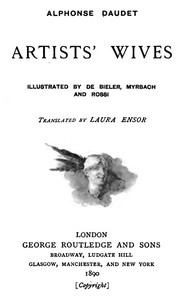
This digital edition of Artists' Wives — Story, Setting & Ideas is described by source-level measurements including 29,528 words, 2 hr 9 min estimated reading time, and 4 detected text sections.
The text analysis averages about 20.0 words per sentence, while the detected sections provide another way to judge how the source is divided.
Project Gutenberg metadata also associates the work with “France -- Fiction,” connecting these edition facts with the source record’s subject description.
Explore this collection
These alternatives are selected using recorded categories and estimated reading time.
About 186 minutes
Science Fiction Utopias
42,664 recorded words. 57 minutes difference from this book's estimate.
View Gutenberg source #34591About 206 minutes
Science Fiction Utopias
47,260 recorded words. 77 minutes difference from this book's estimate.
View Gutenberg source #25053About 225 minutes
Science Fiction Utopias
51,526 recorded words. 96 minutes difference from this book's estimate.
View Gutenberg source #25967Search stored excerpts and compare books → Choose by your preferences →
Choices use stored catalog measurements. Estimates vary with reading speed. A shared category is a catalog label, not a claim that two books have the same argument or literary quality.
Search reads excerpt text stored with this catalog and links to its associated Gutenberg record. The connection is stored in the site database; this tool does not recheck that every excerpt is word-for-word identical to that external record. Excerpt search does not cover every chapter and does not verify historical publication dates.
Catalog snapshot checked: 2026-09-25. Coverage: 92 public books, 92 available source excerpts.
Read the complete public-domain text at its original source.
Read on Project GutenbergThe prologue stages a debate between a poet and a painter: the painter, despite his evident domestic contentment, warns his friend never to marry. The studio setting—lamp-lit, cluttered with canvases, a woman's portrait leaning forward as if to listen, a child's blue shoes on the carpet—establishes a tension between the painter's spoken doctrine and the happiness his home radiates. This contradiction, voiced in the first pages, sets the collection's central question: can an artist sustain both love and work?
The opening scene relies on precise, sensory cues to undercut the painter's argument. The lamp's light is limited to the intimacy of the conversation, leaving the studio's luxury indistinct. The portrait of a woman—young with intelligent eyes, a grave and sweet mouth—seems to defend the easel. A low chair pushed from the fire and two little blue shoes indicate a child. The poet hears the pretty flutterings of a nest going off to sleep. These details, not the painter's rhetoric, convey the happiness the poet envies. Readers should note how Daudet lets objects and atmosphere argue against the painter's words, a technique that recurs throughout the collection.
In a later excerpt, the narrative shifts to letters between Nina de B. and her aunt. Nina describes a deliberate strategy to provoke her husband: playing hated piano pieces, serving detestable food, wearing an outdated dress. She notes his calm, sad reply—Ah, you have done your hair in the old way—and her own rising fear. The letters show a wife orchestrating a scene, timing the arrival of witnesses, and feeling in the lion's cage. This epistolary section offers a stark contrast to the prologue's cozy interior, revealing the strain beneath a marriage's surface. Daudet uses the letter form to grant the wife an unfiltered voice, exposing her motives and anxieties without authorial commentary.
The letter from Nina de B. written from bed after that terrible scene marks a shift from psychological manipulation to physical danger. She recalls thinking Suppose he killed me! and describes her husband's eyes with flashes of lightning. The scene is carefully staged—friends stationed in the drawing-room, servants clearing dishes—yet the outcome is uncertain. Daudet withholds the immediate result, leaving the reader to infer from the letter's opening line that violence occurred. This technique of delayed revelation, common in the collection, forces readers to piece together events from characters' partial accounts. The contrast between the wife's calculated irritation and her genuine terror deepens the portrait of marital conflict.
The collection moves from a framed philosophical discussion to intimate, first-person documents. The prologue's third-person omniscience gives way to the subjective, urgent voice of Nina's letters. This structural shift mirrors the progression from abstract argument to lived experience. Readers should attend to how Daudet uses different forms—dialogue, description, epistolary—to explore the same theme from multiple angles. The painter's initial warning is tested by the later narratives, which show marriages under strain but also moments of tenderness, as when the husband in the prologue is heard laughing with his child. The book does not resolve the debate but presents a spectrum of artistic households.
Because the excerpts are incomplete, the collection's full arc remains unclear. However, the pattern established—a prologue posing a question, followed by stories that complicate it—suggests that Daudet intends to examine marriage from varied perspectives without endorsing a single answer. Readers may find it useful to track how each story's form (letter, anecdote, interior monologue) shapes the portrayal of the wife and the artist. The recurring motif of the studio as both sanctuary and stage offers a unifying thread.
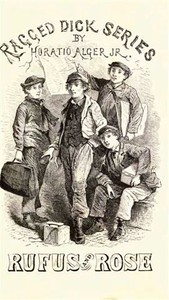
I kept thinking about how Daudet’s stories let you see both sides of a marriage—the cozy surface and the quiet calculations underneath. It reminded me of that book where the boy’s rough luck never quite hides his tenderness. There’s something gentle in watching characters survive their own choices. Rufus and Rose; Or, The Fortunes of Rough and Ready — A Closer Reading stayed with me the same way, like a photograph of a doorstep at dusk.
Save your reaction, strongest insight, and memorable passage.